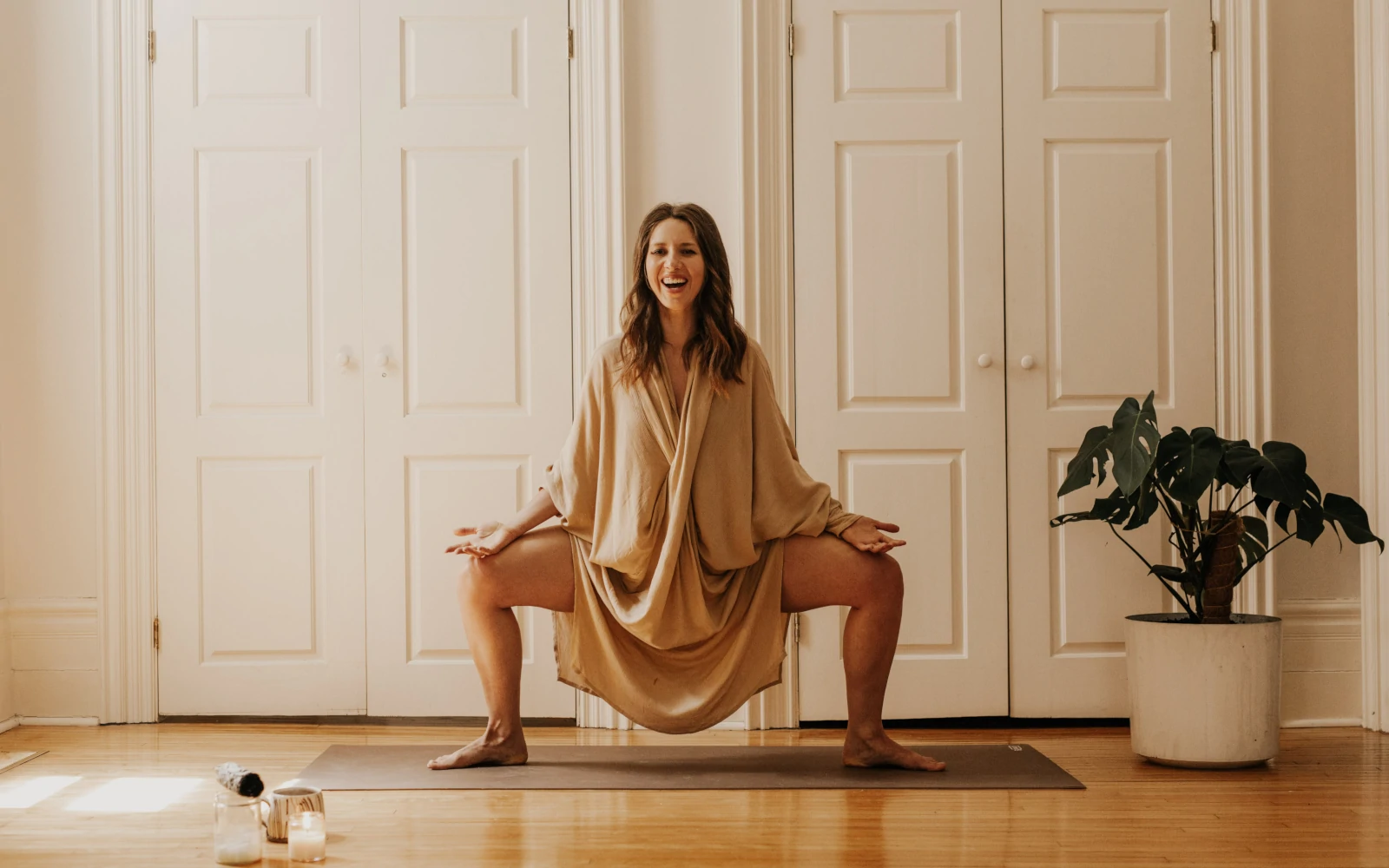
The Body Learns Through Safety, Not Force
Many people believe the body improves through pushing harder. In reality, lasting change often happens when the nervous system feels safe enough to release protection and allow movement to reorganize naturally.
One of the most persistent myths in physical training is that improvement comes primarily through force.
Push harder.
Stretch deeper.
Hold longer.
Work through discomfort.
This mentality appears in many different disciplines, from athletics to rehabilitation to yoga. Effort is often equated with progress, and discomfort is frequently interpreted as evidence that something meaningful is happening.
Yet the body does not always learn best through force.
Very often, it learns through safety.
The nervous system plays a central role in how the body organizes movement. It constantly evaluates the environment, interpreting signals from muscles, joints, breath, balance, and sensory input to determine whether a situation feels stable and manageable.
When the nervous system perceives safety, it allows greater freedom of movement. Muscles coordinate more fluidly. Breath becomes easier. Range of motion increases naturally because the body does not feel the need to protect itself.
When the nervous system perceives threat, the opposite happens.
Muscles tighten.
Breathing becomes guarded.
Movement becomes restricted.
From the outside, this may look like stiffness or lack of flexibility. But in many cases it is simply the body doing exactly what it is designed to do: protecting itself.
This is why forcing the body into deeper positions can sometimes produce the opposite of the intended result. A posture may appear deeper, but the nervous system may respond by increasing protective tension elsewhere. The body compensates rather than reorganizes.
Real change requires a different condition.
It requires the nervous system to feel that it does not need to defend itself in that moment.
In practice, this often means slowing down.
When movement becomes more gradual and breath is allowed to remain steady, the nervous system receives a different message. Instead of being pushed into unfamiliar territory, the body is invited into it. This invitation allows muscles to release unnecessary tension rather than holding against perceived threat.
This distinction is subtle but powerful.
In a regulated state, the body begins to reorganize from within. Patterns that once felt rigid start to soften. Range of motion increases not because the body has been forced into it, but because the nervous system has stopped preventing it.
Many people are surprised when this happens.
They expect that improvement will come from greater intensity. Instead, it often comes from greater awareness. When attention becomes more precise, movement becomes more efficient. When breath becomes calmer, muscles begin to cooperate differently.
This is one of the reasons environments matter so much in practice.
The atmosphere of a space, the pace of instruction, and the presence of attentive guidance can all influence how the nervous system responds. When the environment feels calm and intentional, the body often becomes more receptive to change.
This is particularly noticeable in private settings.
Without the pressure to keep pace with a group, the practice can unfold more gradually. Small adjustments become meaningful. The body is given time to register new sensations rather than rushing past them. Instead of striving for shape, the focus shifts toward quality of movement.
Over time, this approach produces deeper results.
Postures may appear more refined, but the change is not simply aesthetic. It reflects a different relationship between the nervous system and the body. Movement becomes less reactive and more integrated.
Strength develops with less gripping.
Flexibility develops with less strain.
Breath becomes more consistent rather than forced.
Perhaps most importantly, people begin to trust their bodies differently.
Instead of seeing tension as something to overcome, they begin to recognize it as information. Instead of pushing through sensation, they learn to listen to it. This listening often reveals exactly what the body needs in order to change.
In this way, safety does not mean avoiding challenge.
It means creating the conditions in which challenge can be integrated rather than resisted.
The body does not learn through force alone.
It learns through experience.
And when the experience feels stable, attentive, and intelligent, the body often responds with a surprising willingness to change.
What once felt like limitation gradually becomes possibility.
Not because the body was pushed harder, but because it was finally given the conditions in which learning could occur.